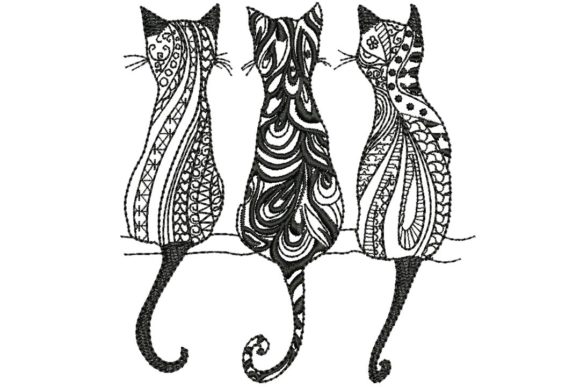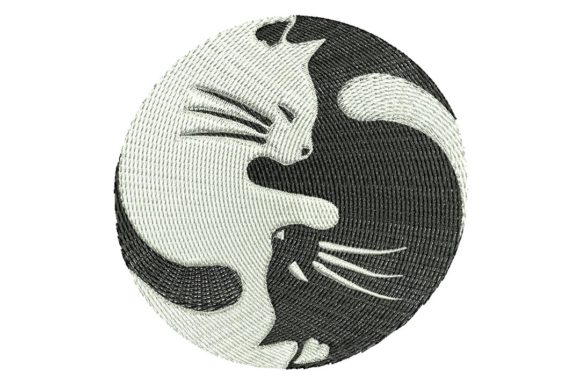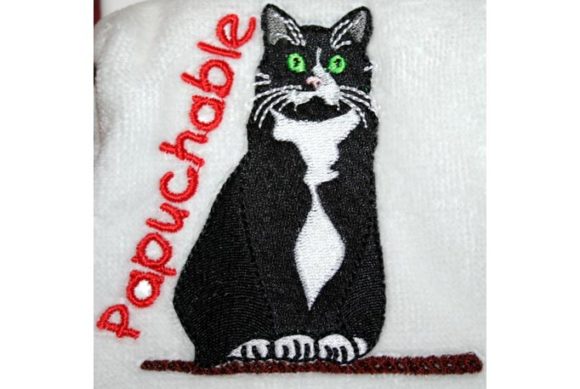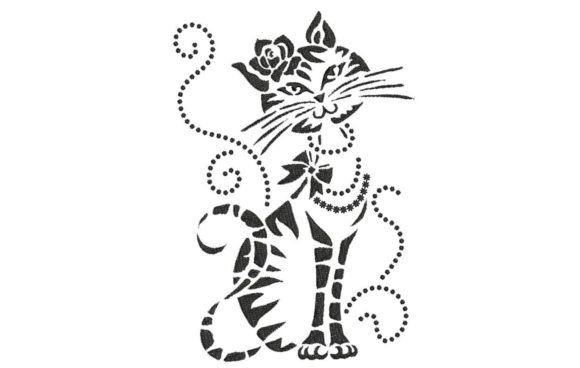
3 Black Cats 2: A Craft Fair Best-Seller Review
As an embroidery designer preparing for the upcoming weekend craft fair circuit, my table strategy is everything. I need designs that stop browsers in their tracks, translate well across various textiles, and can be produced in batches without compromising quality. Today, I am putting 3 Black Cats 2 under the microscope. This isn't just a digital file; it is a potential revenue stream for any Etsy seller or boutique maker looking to capitalize on the perennial love for feline motifs. With a substantial count of 22,387 stitches and a 5x7 hoop requirement, this machine embroidery design demands respect and careful planning before it hits the production line.
First Impressions and Market Appeal
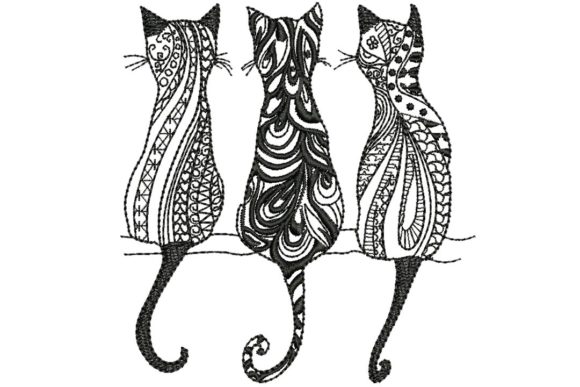
When I first loaded the preview of 3 Black Cats 2, the immediate impression was one of bold, rustic charm. The title suggests a trio, which often implies a sense of community or whimsy, perfect for the current "farmhouse cute" aesthetic that dominates handmade markets. Unlike minimalistic single-line art, a design with over 22,000 stitches indicates significant coverage and texture. This density suggests a premium feel, likely offering excellent coverage that hides the fabric grain underneath, making it ideal for finished product sales where customers expect durability and visual weight.
For a craft fair product, visibility is key. A design of this stitch volume will have enough presence to be seen from three feet away, which is crucial when your booth is competing with dozens of others. Whether it reads as funny, elegant, or festive depends heavily on your thread choices, but the underlying structure of 3 Black Cats 2 feels versatile enough to adapt to a spooky Halloween display or a cozy, year-round cat lover's collection.
Strategic Product Placement
The 5x7 hoop size is the sweet spot for mid-sized goods. It is too large for a standard pocket on a child's shirt but perfect for statement pieces. Here is how I see 3 Black Cats 2 performing across different handmade product categories:
- Tote Bags and Market Bags: This is the primary candidate. The high stitch count provides the durability needed for a bag that will carry groceries or books. A tote bag design needs to withstand friction, and the density here suggests it will hold up well on canvas or heavy cotton.
- Aprons and Tea Towels: For kitchenware, this design shines as a focal point. Apron embroidery benefits from a centered, substantial graphic. However, for tea towel embroidery, one must be cautious. Waffle weave or textured linen can sometimes cause sinking with dense designs, so a cut-away stabilizer is non-negotiable.
- Pillow Covers: A 5x7 design fits perfectly on a standard 16x16 or 18x18 pillow insert. The tactile nature of the stitches adds a luxury feel that justifies a higher price point for home decor items.
- Patches and Caps: While possible, these require extra scrutiny. Applying this to a curved cap surface with 22k stitches might cause pulling if the fabric isn't stable enough. As an embroidered patch, it would need a merrow edge or laser cutting, which adds production time.
Production Realities and Technical Considerations
Turning a digital embroidery file into inventory requires a realistic assessment of production time. With 22,387 stitches, you are looking at a run time that could range from 45 minutes to over an hour depending on your machine speed. This is not a quick-fill design for last-minute orders. It is a batch-production asset. You need to schedule your hoopings efficiently to ensure you have enough stock for the fair without burning out.
There are specific technical hurdles to watch for with 3 Black Cats 2. High stitch density often means thick build-up. If you are stitching on dark fabric, ensure your underlay is sufficient to prevent the base material from peeking through the black threads. Conversely, if stitching on light fabric, verify that the backing doesn't show through the satin columns. Thread colors will make or break this design; using a matte rayon might give a traditional look, while polyester could offer a sheen that makes the cats pop under fair lighting.
Furthermore, consider the fabric texture. Thick towels or fuzzy fleece can swallow fine details. Since this is a 5x7 design, there may be smaller elements within the cat figures that could get lost on highly textured surfaces. Always test on the exact material you intend to sell. A printable mockup is great for your online listings, but nothing replaces a physical sample in your hand to judge the drape and stiffness.
Maximizing Visual Appeal and Sales
In a crowded marketplace, brand consistency helps build trust. If your shop specializes in whimsical animal themes, 3 Black Cats 2 reinforces that identity. The visual appeal of this design lies in its perceived value. Customers associate heavy stitching with quality craftsmanship. When they touch the raised texture of the embroidery, they are more likely to perceive the item as a premium small shop product rather than a mass-produced import.
To maximize buyer engagement, display this design on a variety of fabrics. Show it on a natural linen tote, a bright colored apron, and perhaps a neutral pillowcase. This demonstrates versatility to the customer. For your online presence, use high-resolution photos that capture the stitch definition. As an Etsy seller, your main image needs to convey the texture that screens usually hide. Mentioning the specific stitch count in your description can also appeal to fellow crafters who understand the labor involved, justifying a higher price tag.
Final Designer Notes and Checklist
Before committing to a full production run of 3 Black Cats 2 for your next event, adhere to this practical checklist to ensure commercial embroidery success:
- Test on Scrap Fabric: Never skip the stitch-out. Check for registration issues between color stops.
- Review Spacing: Ensure there is no excessive jumping or trimming that slows down production unnecessarily.
- Confirm Hoop Size: Verify that your specific machine's 5x7 hoop accommodates the design dimensions without hitting the frame.
- Inspect Stitch Density: Look for areas that might be too dense for lightweight fabrics, which could cause puckering.
- Use the Right Stabilizer: Match the stabilizer to the fabric weight; heavier designs often require medium-weight cut-away for longevity.
- Create a Real Mockup: Make at least one finished sample to photograph and display as a "hero" item on your table.
- Check Licensing: Confirm that your purchase of the embroidery file includes a commercial license for selling finished goods. Do not assume; read the terms provided by the designer.
Ultimately, 3 Black Cats 2 has the potential to be a standout performer in your inventory. Its substantial nature commands attention, and its subject matter has universal appeal. By respecting the technical requirements of the stitch count and choosing the right substrates, you can transform this design asset into a reliable source of income for your handmade business. Whether it ends up on a tote bag or a tea towel, the key is in the execution. Treat it with the care it deserves, and it will undoubtedly draw cat lovers to your booth.