Bambi Deer: A Charming Embroidery Design for Personalized Gifts
As an embroidery designer who spends countless hours testing machine embroidery design files for a personalized gift shop, I approach every new pattern with a critical eye. It is not just about whether the stitches look good on the screen; it is about how that design translates to a tangible, emotional handmade product for a customer. Recently, I had the opportunity to review the Bambi Deer, a delightful addition to the Baby Animals category. This review is written from the perspective of preparing this design for real-world customer orders, ranging from baby showers to wedding keepsakes.
First Impressions: Charm and Emotional Appeal
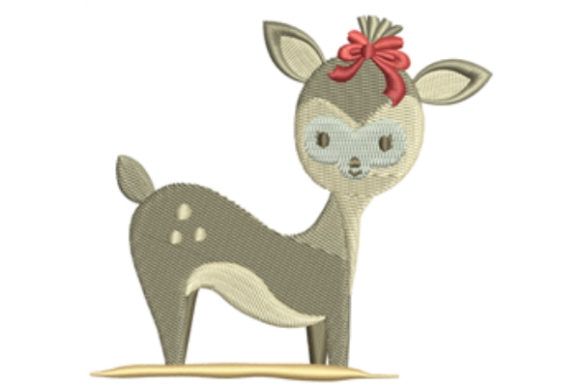
Upon loading the digital embroidery file into my editing software, the first thing that struck me about the Bambi Deer was its inherent sweetness. In the world of embroidery, capturing the innocence of a young animal requires a delicate balance of line weight and spacing. This design feels incredibly warm and inviting. It does not scream for attention with overly complex fills or aggressive outlines; instead, it whispers with a classic, timeless elegance that fits perfectly into modern nursery trends.
The mood of the design is undeniably playful yet serene. For a small business owner or an Etsy seller, this emotional connection is vital. When a customer sees this deer stitched onto a blanket or a tote bag, they immediately think of comfort, nature, and new beginnings. It is the kind of imagery that stops a scroll on social media because it evokes a sense of nostalgia and tenderness. Whether you are targeting new parents or someone looking for a unique wedding gift for a couple who loves the outdoors, the Bambi Deer hits the right notes of charm and sophistication.
Versatility in Product Application
One of the strongest assets of the Bambi Deer is its versatility. During my testing phase, I visualized this design across a wide spectrum of products. For baby embroidery projects, it is ideal for muslin swaddle blankets or organic cotton onesies. The simplicity of the deer allows it to shine without overwhelming the small canvas of infant clothing.
However, its appeal extends far beyond the nursery. I can easily see this design becoming a bestseller as a custom embroidery option for kitchen linens. Imagine an embroidered towel set featuring this deer, perhaps paired with forest-themed lettering for a housewarming present. It also works beautifully on home decor items like a linen pillow cover or a rustic burlap wall hanging. For craft fair vendors, stitching the Bambi Deer onto canvas tote bags creates an instant "small shop product" that feels high-end and curated.
For those creating printable mockup listings online, this design offers excellent photogenic potential. Its clean lines photograph well under natural light, making it easier to showcase the texture of the thread against various fabrics. This visual appeal directly influences buyer engagement and can help justify a higher price point for your finished product.
Technical Considerations and Fabric Challenges
While the aesthetic of the Bambi Deer is stunning, practical application requires careful planning. As a professional, I always advise checking specific technical details before committing to a large order, as the provided description notes it is "ready for your next sewing project" but does not specify exact parameters like stitch count or hoop dimensions.
- Fabric Texture: This design likely features fine details that could get lost on highly textured fabrics like thick waffle weave towels or rough burlap. It performs best on medium-weight cottons, linens, or smooth blends.
- Stretchy Materials: If applying this to stretchy baby clothes, proper stabilization is non-negotiable. Without the right support, the delicate features of the deer could distort after washing.
- Dark Fabrics: The description mentions "lovely features," which implies a reliance on contrast. On dark navy or black fabric, you must ensure your thread colors provide enough pop. You may need to adjust the underlay or use a brighter palette than the default suggestion.
- Small Lettering: If you plan to personalize this with names or dates, be cautious. Adding small text near the deer's hooves or antlers might crowd the design. Ensure there is enough negative space to maintain readability.
Furthermore, consider the end-use of the item. Products that require frequent washing, such as burp cloths or aprons, demand a robust stitch structure. While the design is described as "high-quality," always verify the stitch density. If the density is too low, the design may fray over time; if too high, it could make the fabric stiff and uncomfortable against a baby's skin.
Enhancing Perceived Value and Trust
In the competitive market of handmade goods, the choice of design directly impacts perceived value. The Bambi Deer elevates a simple item into a cherished keepsake. When a customer receives a blanket with this intricate, well-executed deer, they perceive the item as labor-intensive and thoughtful. This builds trust in your brand as an Etsy seller or boutique owner.
The "handmade" quality of machine embroidery lies in the finishing touches. After stitching the Bambi Deer, taking the time to trim jump threads cleanly and press the item professionally makes a massive difference. A sloppy finish can ruin the illusion of quality, whereas a crisp, clean presentation reinforces the idea that this is a premium personalized gift. This attention to detail encourages repeat business and positive reviews, which are the lifeblood of any small enterprise.
Practical Steps for Commercial Success
Before listing the Bambi Deer as part of your commercial embroidery catalog, I recommend a rigorous testing protocol. Do not rely solely on the digital preview.
- Test on Scrap Fabric: Always stitch a sample on the exact material you intend to sell. This reveals how the thread interacts with the weave.
- Check Thread Contrast: Experiment with different thread colors. While earth tones are traditional for deer, pastels can soften the look for baby gifts, while metallic threads might add a festive touch for holidays.
- Confirm Hoop Size: Ensure the design fits within your available hoop options without needing excessive re-hooping, which can lead to alignment issues.
- Review Stabilizer: Match your stabilizer to the fabric weight. A cut-away stabilizer might be necessary for stretchy knits to prevent distortion, while tear-away may suffice for stable woven cottons.
- Compare Mockups: Create physical samples on both light and dark fabrics to show customers the versatility of the design.
- Verify Licensing: Crucially, confirm the commercial licensing terms. The description states it is ready for projects, but you must ensure you have the rights to sell finished goods made with this digital embroidery file.
In conclusion, the Bambi Deer is a standout choice for designers looking to expand their catalog of Baby Animals. Its blend of elegance and playfulness makes it a versatile tool for creating meaningful connections with customers. By paying attention to fabric choices, stabilization, and finishing details, you can transform this digital file into a physical treasure that brings joy to families and growth to your business.