Cover for Planning in the Hoop: A Designer's Review
As an embroidery designer who spends countless hours digitizing and testing files for commercial use, I approach every new machine embroidery design with a critical eye. It is not enough for a file to look pretty on a screen; it must perform under the pressure of production, withstand frequent washing, and elevate a brand's identity. Today, I am reviewing the Cover for Planning in the Hoop, a digital embroidery file that promises versatility for small business owners, apparel decorators, and handmade brands. This review focuses on its potential as a functional asset for branded merchandise rather than just a decorative element.
First Impressions and Visual Personality
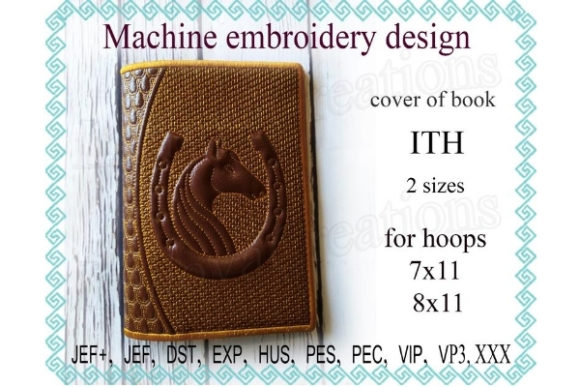
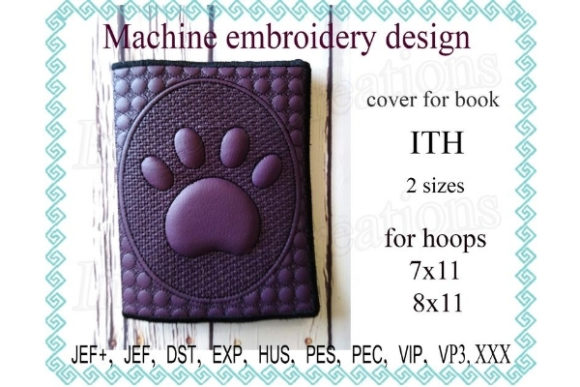
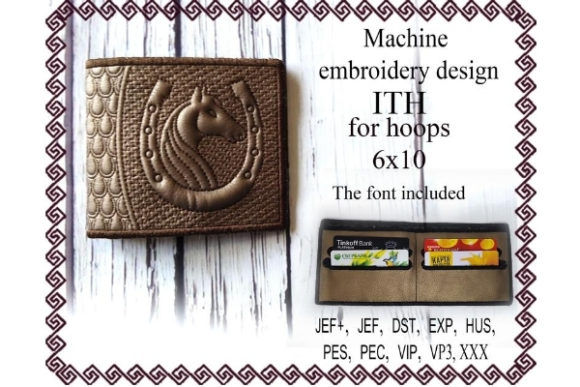
Upon loading the Cover for Planning in the Hoop into my editing software, the immediate impression is one of structured utility mixed with creative potential. The title suggests a focus on organization and preparation, which translates visually into a design that feels professional, modern, and slightly industrial. Unlike overly ornate scripts or fragile floral motifs, this design appears bold and clear, making it an excellent candidate for brand identity applications where legibility is paramount.
The aesthetic leans towards the "handmade product" vibe that Etsy sellers and boutique owners crave, yet it maintains the clean lines necessary for corporate uniforms or high-end retail packaging. It strikes a balance between friendly and authoritative, a rare combination that allows it to sit comfortably on a barista's apron or a creative studio's tote bag without looking out of place. For businesses in the Sewing and Embroidery sectors, this visual consistency is crucial for building customer trust.
Real-World Business Applications
The true test of any digital embroidery file is its adaptability across various substrates. In my evaluation for small business merch, the Cover for Planning in the Hoop shines in several key areas:
- Embroidered Patches: The design's defined edges make it ideal for creating iron-on or sew-on patches. These can be sold as standalone products or used to upgrade plain inventory, adding significant value to a finished product.
- Staff Uniforms and Aprons: For cafes, bakeries, and florists, apron embroidery serves as both branding and identification. This design offers enough presence to be seen from a distance but remains refined enough for customer-facing staff.
- Cap Embroidery: When applied to the front panel of a baseball cap or beanie, the structure of the design holds up well against the curve, provided the digitizing accounts for the fabric push-and-pull.
- Tote Bag Design: Canvas bags are a staple for craft fairs and retail give-aways. The Cover for Planning in the Hoop provides a striking focal point that turns a simple bag into a walking advertisement.
- Product Packaging Accents: Small-scale versions of this design can be stitched onto fabric tags attached to clothing or home goods, enhancing the unboxing experience.
For event merch and customer gifts, this file allows for rapid customization. Whether you are running a local pet brand or a high-volume print shop, the ability to scale this design while maintaining its integrity is a massive asset for commercial embroidery workflows.
Technical Considerations for Production
While the design shows great promise, there are specific scenarios where caution is required. As a professional, I always advise testing before committing to a large run. Here are the critical factors to consider when using Cover for Planning in the Hoop:
- Small Patch Sizes: If scaling down for a sleeve detail or a small label, ensure that fine details do not merge. High stitch density in small areas can lead to thread breaks or a stiff, cardboard-like feel.
- Curved Surfaces: On caps or rounded pockets, the design may distort if the hoop placement is not precise. Always use a cap frame and appropriate backing.
- Textured Fabric: Heavy towels or coarse canvas can obscure finer elements of the design. Test on the actual fabric texture you intend to use.
- Dark Uniforms: Ensure your thread colors provide sufficient contrast. A dark design on a black shirt will vanish; you may need to adjust the color palette or add an underlay.
- Frequent Washing: Items like aprons and work shirts undergo rigorous cleaning. Verify that the satin stitches are secure and that the design does not pucker after multiple wash cycles.
Impact on Brand Identity and Value
In the competitive landscape of handmade brands and local businesses, perception is everything. Using a cohesive, high-quality design like Cover for Planning in the Hoop signals professionalism. It tells the customer that you care about the details. When a client receives a tote bag or a uniform with crisp, well-executed embroidery, their perceived value of your brand increases immediately.
This design supports visual consistency across different design assets. Whether it is on a website printable mockup or physically stitched onto a garment, the recognizable motif helps with brand recognition. For Etsy sellers and merch creators, this consistency drives buyer engagement and fosters loyalty. It transforms a generic item into a branded experience, justifying higher price points and encouraging social sharing.
Practical Designer Notes and Best Practices
Before you integrate Cover for Planning in the Hoop into your production line, follow these essential steps to ensure success:
- Test in Black and White: Remove color variables to check the structural integrity of the stitching. If it looks good in monochrome, it will likely hold up in color.
- Check Small Scale Viability: Stitch a sample at the smallest intended size to confirm readability.
- Review Thread Contrast: Select thread colors that pop against your specific fabric choices.
- Inspect Spacing: Look for areas where stitches might crowd each other, leading to bird nests or breaks.
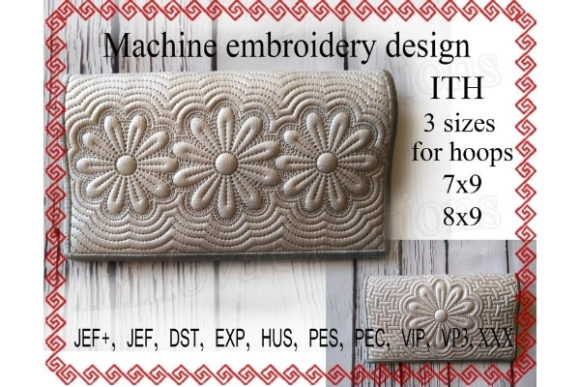
- Confirm Hoop Size: The product description mentions multiple formats, but always verify the specific hoop size required for your machine before starting.
- Use Proper Stabilizer: Match your stabilizer to the fabric weight. Cut-away is often best for items that will be washed frequently.
- Create a Mockup: Generate a digital or physical mockup for client approval to manage expectations.
- Compare Assets: Place this design beside your existing logo or branding elements to ensure they complement rather than clash.
- Verify Licensing: Since the description notes it comes with multiple formats and is ready for sewing, always confirm the specific commercial licensing terms before selling items made with this file.
The description states that the Cover for Planning in the Hoop is a high-quality embroidery ready for your next sewing project and includes multiple file formats. However, exact stitch counts, specific format lists (like PES, DST, JEF), and detailed license restrictions are not explicitly enumerated in the brief overview. Therefore, I strongly advise downloading the preview or contacting the vendor to confirm these technical specifications before beginning a large commercial order.
In conclusion, the Cover for Planning in the Hoop is a robust tool for the modern embroiderer. Its blend of professional aesthetics and functional design makes it a standout choice for custom apparel, branded patches, and small business merchandise. With careful attention to fabric selection, stabilization, and sizing, this file can become a cornerstone of your product lineup, driving both recognition and revenue.