Cute Green Baby Hippo Bib: A Designer's Review
As an embroidery designer who spends hours digitizing and testing files for commercial use, I know that finding a reliable machine embroidery design on marketplaces like Creative Fabrica can be a gamble. You are always looking for that perfect balance of cute aesthetics and technical stability. Recently, I evaluated the Cute Green Baby Hippo Bib with the intention of adding it to my lineup of handmade baby gifts and boutique merchandise. This review breaks down whether this specific embroidery file holds up under the pressure of real-world production.
First Impressions and Visual Mood
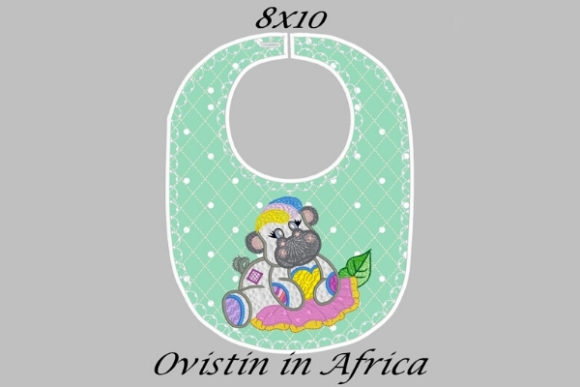
When I first pulled up the preview for the Cute Green Baby Hippo Bib, the immediate takeaway was its charming, soft aesthetic. The design leans heavily into the "nursery decor" vibe, utilizing a palette that suggests calmness and nature. For a product targeting the 4-12 month age range, this visual mood is spot-on. The hippo character itself appears friendly and approachable, avoiding the sharp angles that sometimes plague lower-quality digitizing.
The description notes that this is an In The Hoop (ITH) project, which immediately signals efficiency. For small business owners and crafters, ITH designs are gold because they minimize hooping time and fabric handling. The inclusion of a tutorial is a significant plus; it suggests that even those new to Sewing or complex construction methods can achieve a professional finished product. The mention of batting in the description also hints at a plush, high-quality texture, which is essential for baby items that need to feel gentle against sensitive skin.
Performance in Real Embroidery Projects
While the primary intent of this file is a bib, my mind immediately went to versatility. Can this design work on other substrates? If you are an Etsy seller or a craft fair vendor, maximizing the utility of a single digital embroidery file is key to profitability.
- Custom Apparel: With the right scaling, this hippo could easily transition onto a baby onesie or a toddler sweatshirt. The green tones pair beautifully with white, cream, or even denim fabrics.
- Tote Bag Design: Imagine this embroidered on a canvas tote for a diaper bag. The sturdy nature of canvas supports the stitch density well.
- Nursery Decor: Beyond clothing, this motif works wonderfully on pillow covers or wall hangings, extending the life of the design beyond the baby's feeding time.
- Handmade Gifts: For personalized gifts, this design offers a blank canvas for adding names or dates, provided there is space within the hoop layout.
However, when considering commercial embroidery applications like caps or patches, caution is advised. Curved cap surfaces can distort detailed faces, and the "batti" (batting) mentioned might be too bulky for a flat embroidered patch intended for iron-on application. This design shines brightest on flat, stable surfaces like bibs, aprons, and kitchen towels.
Technical Considerations for the Stitcher
Before running this design on a customer order, there are several technical factors every experienced embroiderer must verify. Since the specific stitch count, exact hoop size, and supported file formats are not explicitly detailed in the short product snippet, you must visit the Creative Fabrica embroidery product page to confirm these details.
Fabric and Stabilizer Choices
Baby items often utilize stretchy fabrics like jersey knits or soft flannels. When working with the Cute Green Baby Hippo Bib, using the proper stabilizer is non-negotiable. I recommend a cut-away stabilizer for knit fabrics to prevent distortion over time, especially since bibs undergo frequent washing. If you attempt this on textured fabric or dark fabric, you may need to adjust your underlay settings or use a water-soluble topper to prevent the fabric pile from obscuring the fine details of the hippo's face.
Stitch Density and Thread Colors
The visual appeal of this design relies on smooth satin stitch outlines and potentially solid fill stitch areas for the hippo's body. High stitch density can lead to puckering if the tension isn't dialed in perfectly. I always advise running a test on scrap fabric first. Check the contrast between your thread colors; the green needs to pop against the background fabric without clashing. If the design includes tiny lettering or minute facial features, ensure your machine is freshly oiled and your needle is sharp to avoid thread breaks.
Hoop Size Constraints
Since this is an ITH project, the hoop size is critical. You need enough room not just for the embroidery, but for the construction of the bib itself. Confirm that your machine's hoop capacity matches the requirements listed on the download page. Trying to force a large ITH project into a small hoop is a recipe for disaster and wasted materials.
Impact on Product Value and Branding
In the world of handmade shops, presentation is everything. A well-executed Cute Green Baby Hippo Bib can significantly boost buyer trust. When customers see clean stitching, proper registration, and high-quality materials like batting, they perceive higher value. This translates directly to better product photography; the texture of the batting and the vibrancy of the green threads make for engaging images on social media and online listings.
For brand consistency, if your shop focuses on nature-themed or animal-motif baby goods, this design fits seamlessly. It enhances the "giftability" of your items. A bib is a practical gift, but one featuring a professionally embroidered, adorable hippo becomes a keepsake. This emotional connection drives customer engagement and repeat business.
Final Verdict for Designers and Makers
The Cute Green Baby Hippo Bib appears to be a solid contender for your design assets library, particularly for those specializing in baby gear and nursery items. The In The Hoop format streamlines production, and the included tutorial lowers the barrier to entry for less experienced sewists.
However, success depends on due diligence. Before listing this as a personalized gift or selling it as part of your custom apparel line:
- Verify Licensing: Always check the license terms on the Creative Fabrica product page to ensure you are allowed to sell finished physical items.
- Download and Inspect: Once purchased, open the file in your embroidery software to inspect the stitch path and density before loading it onto your machine.
- Test Rigorously: Stitch out a sample on the exact fabric you plan to sell. Wash and dry it to ensure durability.
- Check File Compatibility: Ensure the download includes the specific format your machine requires.
If these boxes are checked, this design has the potential to be a bestseller in your shop, offering a delightful blend of functionality and charm that parents love. It is a reminder that sometimes the simplest designs, when executed with care and the right materials, yield the most rewarding results for both the maker and the end user.