Phone Case: A Professional Review for Branded Merch
As an embroidery designer who has spent years digitizing and stitching for small business owners, I approach every new machine embroidery design with a critical eye. It is not just about whether a pattern looks pretty on a screen; it is about how that digital embroidery file translates into a tangible asset for a brand. Today, I am reviewing the Phone Case design, evaluating its potential for creating high-value merchandise, branded patches, and professional apparel for boutiques, cafés, and creative studios.
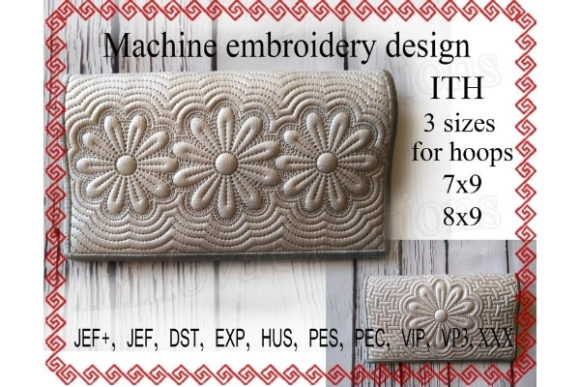
The first impression of the Phone Case design is one of versatility and modern appeal. Based on the product description promising a "unique design" and "beautiful embroidery," this asset feels tailored for businesses that want to stand out without sacrificing professionalism. Whether you are running a local bakery, a pet brand, or a handmade shop, the aesthetic suggests a balance between playful creativity and clean execution. For small business merch, this duality is crucial. You need a design that looks friendly enough for customer gifts but sharp enough for staff uniforms.
Real-World Application for Small Business Branding
When considering where to deploy the Phone Case design, the possibilities for commercial embroidery projects are extensive. For a boutique clothing store, this design works exceptionally well as an embroidered patch sewn onto denim jackets or canvas tote bags. Patches are a trending element in custom apparel, allowing customers to customize their own purchases while promoting your brand identity.
For service-based businesses like cafés or florists, consistency is key. The Phone Case motif can serve as a chest logo accent on work shirts or aprons. Apron embroidery requires durability and clarity, and if this design holds up under frequent washing, it becomes a staple for front-of-house staff. Furthermore, using this design on caps is a smart move for outdoor markets or food trucks. Cap embroidery can be tricky due to the curved surface, but a well-digitized design like this should navigate the structure of a baseball hat effectively, providing mobile advertising wherever your team goes.
Beyond apparel, think about the unboxing experience. A small version of the Phone Case design stitched onto fabric tags or packaging accents adds a layer of premium feel to a handmade product. Etsy sellers and crafters know that these tiny details often justify a higher price point and increase buyer engagement. It transforms a simple transaction into a branded experience.
Technical Considerations and Fabric Compatibility
While the visual appeal is strong, a professional review must address the technical realities of stitching. Before committing to a large production run, there are specific areas where the Phone Case design requires careful attention.
- Stitch Density: High stitch density can make a design look luxurious, but on stretchy fabrics or items that undergo frequent washing, it can cause puckering. Always test the design on the actual fabric you intend to use.
- Small Patch Sizes: If you plan to shrink this design for small product labels or hat tags, verify that the fine details do not merge together. Tiny lettering or intricate outlines can become unreadable if the resolution isn't maintained at smaller scales.
- Fabric Texture: Textured fabrics like towels or coarse canvas can obscure detailed stitching. Ensure the thread colors provide enough contrast against the background material so the design pops rather than getting lost in the weave.
- Dark Uniforms: When stitching on dark garments, check if the design includes an underlay or if you need to manually adjust settings to prevent the garment color from showing through the stitches.
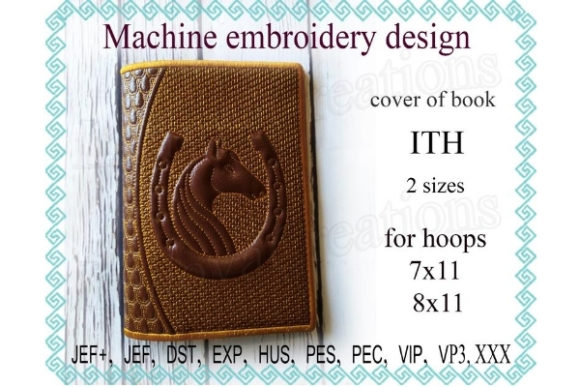
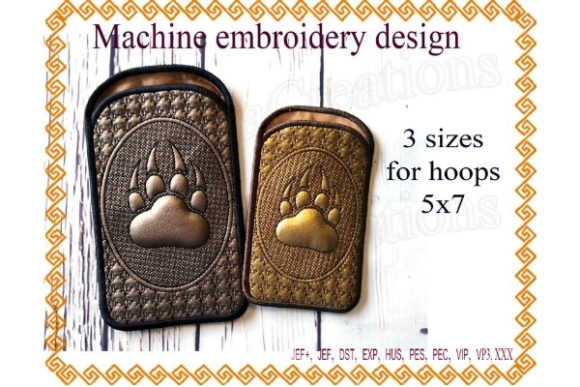
It is also vital to confirm the hoop size requirements. The product description mentions the design comes with "multiple em," likely referring to multiple formats or sizes, but exact dimensions are not specified here. You must verify that the design fits within your machine's hoop capabilities, especially if you are working with limited space on a sleeve or pocket.
Impact on Brand Identity and Customer Trust
In the world of small business, visual consistency builds trust. Using a cohesive machine embroidery design across various touchpoints—from staff uniforms to tote bag design elements—reinforces brand recognition. The Phone Case design, with its unique character, helps differentiate your brand from competitors who might be using generic clipart or low-quality prints.
Embroidery inherently signals quality. Unlike heat transfers that can peel or crack, a stitched design suggests longevity and care. When a customer receives a item featuring the Phone Case motif, they perceive the finished product as more valuable. This perception directly influences customer loyalty and word-of-mouth marketing. For design assets intended for commercial use, this elevation in perceived value is essential for maximizing return on investment.
Practical Notes for the Professional Designer
Before you load this embroidery file into your machine for a client order, follow these practical steps to ensure success:
- Test in Black and White: Remove color variables initially to check the integrity of the stitch paths and spacing.
- Verify Commercial Licensing: Since this is for business use, confirm the license terms explicitly allow for selling finished goods. Do not assume; always read the fine print.
- Create a Printable Mockup: Before stitching, generate a printable mockup to show your client how the design will look on their specific garment. This manages expectations and secures approval.
- Use Proper Stabilizer: Match your stabilizer to the fabric weight. A heavy design on a light shirt needs robust support to prevent distortion.
- Check Thread Contrast: Ensure your thread selection enhances the design's features. Sometimes swapping a standard color for a metallic or variegated thread can elevate the Phone Case theme significantly.
In conclusion, the Phone Case design offers a compelling opportunity for Sewing professionals and Embroidery artists to expand their product lines. Whether used for a trendy patch collection or a unified staff uniform, its potential to enhance brand identity is significant. However, success lies in the preparation. By testing on real fabrics, respecting the limitations of stitch density, and ensuring proper licensing, you can turn this digital file into a profitable physical reality for your small business clients.