Baby Red Gingham Bib: A Pro Design Review
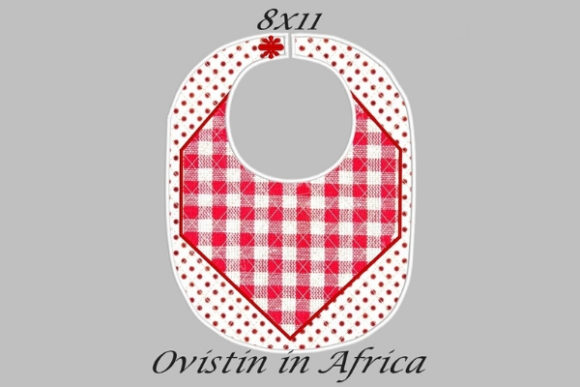
As an embroidery designer who spends most of my days digitizing logos and testing files for commercial use, I approach every new machine embroidery design with a critical eye. It is not just about whether it looks cute on a screen; it is about how it performs on actual fabric, how it holds up after washing, and whether it translates well into small business merch. Recently, I reviewed the Baby Red Gingham Adorable Baby Bib Large, and while its primary category is Nursery, my focus was entirely on its potential as a versatile asset for branded merchandise, patches, and boutique product lines.
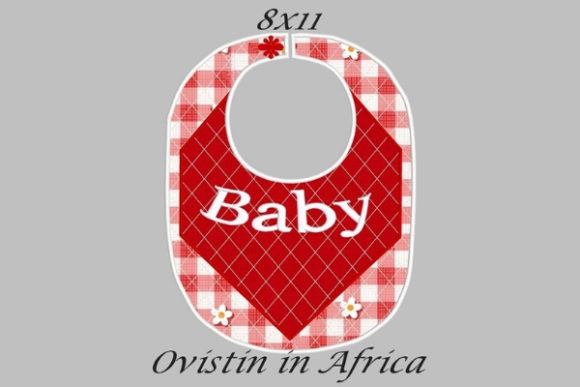
The first impression of this design is undeniably friendly and rustic. The red gingham pattern evokes a sense of classic, handmade charm that feels premium yet accessible. For a small café, a bakery, or a florist looking to add a touch of warmth to their brand identity, this aesthetic is gold. The description notes that the original application involves double applique with a batting inlay and towel backing. This construction tells me immediately that the design relies heavily on texture and layering. In a business context, this suggests a high perceived value. When a customer sees that level of detail in an embroidered patch or on a custom apron, they instinctively trust the quality of the brand behind it.
Adapting the Design for Commercial Embroidery
While this file is marketed for baby bibs, the versatility of the gingham motif allows it to transcend the nursery aisle. Imagine a local coffee shop wanting to create limited-edition merchandise. This design could be scaled down slightly to serve as a chest logo accent on staff work shirts or embroidered onto canvas tote bags given out at community events. The bold red color ensures visibility, acting as a strong visual anchor even from a distance.
For handmade brands and Etsy sellers, incorporating this design into product packaging accents or as a sew-on label can elevate the unboxing experience. If you run a pet brand, the playful nature of the gingham works wonderfully on bandanas or pet accessories. The key here is recognizing that the "adorable" factor is actually a strategic tool for buyer engagement. It softens the corporate image of a business, making it feel more approachable and human.
However, moving this design from a baby bib to a cap embroidery project or a structured patch requires careful consideration. The original specification mentions a large size suitable for a 4-12 month old. If you intend to use this as a small patch on a sleeve or a pocket, you must verify the stitch density. High-density applique work can become stiff and bulky if reduced too much. I always advise testing the design at your intended final size before committing to a full production run.
Technical Considerations for Business Use
When evaluating any digital embroidery file for commercial projects, technical performance is paramount. The double applique technique described implies multiple stop points and potentially complex layering. For a busy embroidery shop, this means longer cycle times per unit. You need to factor this into your pricing model for custom apparel or branded goods.
Here are specific areas where you should exercise caution when deploying this design:
- Small Patch Sizes: The gingham check pattern consists of small geometric shapes. If scaled down for a tiny lapel pin or small badge, these checks may merge, losing the definition of the pattern.
- Curved Surfaces: Applying a large, structured applique design to the front of a curved cap can be challenging. The batting inlay adds thickness, which might cause puckering if the cap material is not sturdy enough.
- Fabric Texture: The design shines on smooth cotton or twill. On highly textured fabrics like fleece or rough canvas, the clean lines of the gingham might get lost, affecting the professional finish.
- Frequent Washing: Since the original intent is a baby bib, it is likely durable. However, for staff uniforms that undergo industrial laundering, ensure the edges of the applique are securely tacked down to prevent fraying over time.
Impact on Brand Identity and Trust
In the world of small business, consistency is king. Using a distinct visual element like the red gingham across various touchpoints—from apron embroidery to tote bags—creates a cohesive brand narrative. It signals attention to detail. When a customer receives a product featuring this kind of thoughtful handmade product aesthetic, it reinforces the idea that the business cares about quality. This builds trust and encourages repeat purchases.
Furthermore, the "finished product" look described in the specifications, with its towel backing and batting, suggests a level of completeness that cheap prints cannot match. This tactile quality is a powerful differentiator in a market saturated with flat, digital prints. It adds weight and substance to your brand offerings.
Practical Designer Notes for Implementation
Before you load this file into your machine for a client order, there are several practical steps you should take to ensure success. Do not assume the file is ready for immediate production without verification.
- Test in Black and White: Print a grayscale version of your mockup to ensure the contrast holds up without relying on the red color. This helps verify that the shape and texture are distinct enough on their own.
- Check Scalability: Physically stitch the design on a scrap piece of your intended fabric at the exact size you plan to use. Does the gingham pattern remain clear?
- Review Thread Colors: Ensure you have the specific shade of red required to match your brand guidelines. A mismatched red can look amateurish.
- Inspect Spacing: Look closely at the spacing between the applique layers. Is there enough room for the needle to penetrate without breaking threads?
- Confirm Hoop Size: The title indicates this is a "Large" bib design. Verify that your hoop capacity can handle the dimensions, especially if you are working with smaller machines.
- Use Proper Stabilizer: Given the batting inlay, you will need a robust stabilizer to support the weight and prevent distortion during stitching.
- Create a Mockup: Always present a realistic printable mockup to your client for approval. Show them how it looks on the specific garment or item they ordered.
- Compare Design Assets: Place this design next to your existing logo and other design assets. Does it complement them, or does it clash visually?
- Verify Licensing: Most importantly, confirm the commercial licensing terms. Just because a file is available for purchase does not automatically grant rights for unlimited commercial resale or mass production.
In conclusion, the Baby Red Gingham Adorable Baby Bib Large is more than just a nursery item; it is a potential powerhouse for branding when used creatively. Its blend of classic style and textured construction offers a unique opportunity for businesses to stand out. However, like any professional tool, it demands respect for its technical limitations. By testing thoroughly and applying it strategically, you can transform this charming design into a cornerstone of your commercial embroidery portfolio.