Pink Baby Bib for Small Hoops: A Designer's Review
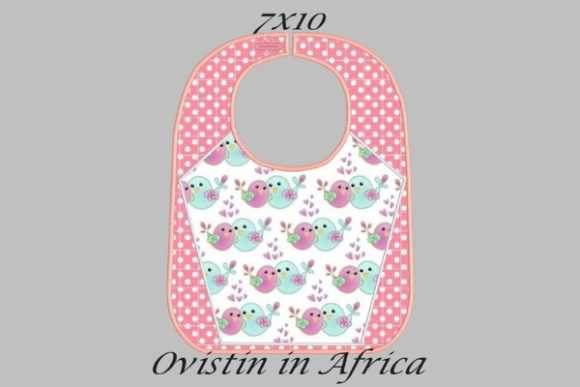
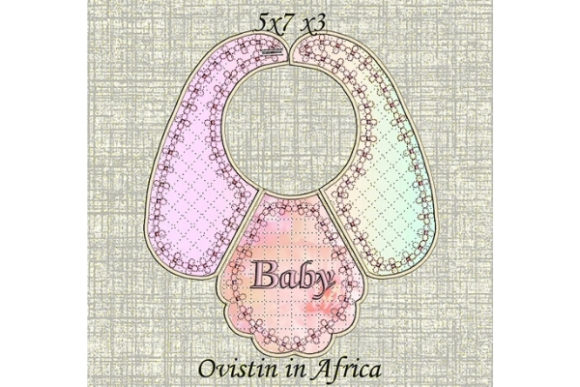
As an embroidery designer who spends most of my days digitizing logos and refining assets for small business merchandise, I approach every new machine embroidery design with a critical eye. It is not just about whether a pattern looks cute on a screen; it is about how that digital embroidery file translates into a tangible finished product that builds brand equity. Today, I am reviewing the Pink Baby Bib for Small Hoops. While the title suggests a specific application in the Nursery category, my focus is on its potential utility for branded patches, uniform accents, and boutique merchandise.
First Impressions: Visual Personality and Brand Fit
Upon reviewing the description, which highlights a "beautiful embroidery" intended for babies aged 4-12 months, the immediate visual personality that comes to mind is playful yet handmade. The specification that it was "digitized for ladies with small hoop em" tells me this is a compact design, likely optimized for limited real estate. For a small business owner, this is crucial. A design that fits a small hoop often possesses the versatility required for subtle branding elements.
The aesthetic feels friendly and decorative, leaning towards a soft, approachable vibe rather than a bold, corporate industrial look. This makes it an excellent candidate for businesses that rely on warmth and personal connection—think local bakeries, florists, pet brands, or creative studios. However, because the source material emphasizes a "unique design" for a baby bib, one must evaluate if the intricacy holds up when scaled down further for a chest logo or a cap front.
Real-World Business Applications Beyond the Bib
While the primary intent is clearly for infant wear, the constraints of the hoop size make this asset surprisingly versatile for small business merch. Here is how I envision this design performing in a commercial setting:
- Embroidered Patches: This is the strongest use case. By stitching the design onto twill or felt and cutting it out, you create a custom embroidered patch. These can be ironed onto tote bags, denim jackets, or aprons, adding a layer of texture that elevates the perceived value of the item.
- Staff Uniforms and Aprons: For a boutique or café, a small, delicate motif on the corner of an apron embroidery project adds a touch of charm without overwhelming the garment. It signals attention to detail.
- Cap Embroidery: Small hoops are essential for cap embroidery due to the curved surface and limited space on the front panel. If the stitch count is low enough, this could serve as a side-panel accent or a subtle front logo for a themed event.
- Tote Bag Design: As a repeated pattern or a singular focal point on a canvas tote, this design can transform a generic bag into a branded giveaway that customers actually want to use.
- Product Packaging Accents: Imagine stitching this onto a fabric tag attached to handmade goods. It serves as a premium label that distinguishes your handmade product from mass-produced competitors.
Technical Considerations for Commercial Use
When moving from a hobbyist mindset to commercial embroidery, technical precision becomes non-negotiable. The description notes that "Tutorials included," which is a significant plus for less experienced users, but professional decorators must look deeper.
Stitch Density and Fabric Texture: One must be cautious about stitch density. Baby bibs are often made of soft terry or cotton, but if you apply this design to a structured canvas tote or a thick uniform shirt, high density can cause puckering. Always test the embroidery file on the actual fabric texture you intend to use. If the design relies on satin stitches for outlines, ensure they are not too wide for small-scale applications, or they may merge and lose definition.
Thread Colors and Contrast: The "Pink" in the title implies a specific color palette. For brand identity consistency, you may need to modify the thread colors in your software to match your company's hex codes. Does the design hold up if stitched in monochrome? A true test of a robust design is its legibility in black and white. If the details vanish without color contrast, it may not be suitable for single-color uniform programs.
Curved Surfaces and Small Sizes: Applying this to a cap or a rounded sleeve requires careful hooping. The "small hoop" limitation means there is little margin for error in registration. Ensure your stabilizer choice is robust enough to prevent shifting, especially on stretchy fabrics used in custom apparel.
Impact on Brand Identity and Customer Trust
In the era of Etsy sellers and handmade brands, the finished product is your primary marketing tool. Using a cohesive set of design assets like the Pink Baby Bib for Small Hoops across various touchpoints creates visual consistency. When a customer receives a package with a matching embroidered tag, a branded tote, and a staff member wearing an apron with the same motif, it reinforces professionalism.
This consistency builds customer trust. It signals that the business cares about the details. A sloppy or poorly scaled logo can detract from perceived quality, but a well-executed small design suggests precision and care. Furthermore, unique embroidery increases product value. A simple tote bag becomes a collectible item when adorned with a high-quality, exclusive embroidered element, driving higher buyer engagement and social media sharing.
Practical Designer Notes for Production
Before running a production batch for client approval or inventory, adhere to these practical steps:
- Test in Black and White First: Convert the design to a single color in your software to check for clarity and spacing issues.
- Verify Hoop Size: The description mentions "small hoop em," but confirm the exact dimensions (e.g., 4x4 inches) to ensure it fits your machine's capabilities and your intended placement area.
- Check Licensing: Crucially, confirm commercial licensing terms. Just because a file is available for purchase does not automatically grant rights for unlimited resale or mass production. Read the fine print before using it for small business merch.
- Create a Printable Mockup: Before stitching, generate a printable mockup to show clients how the design will look on their specific garments. This manages expectations and reduces waste.
- Inspect Spacing: Look closely at tiny lettering or detailed outlines. If elements are too close, they may bridge together during washing. Adjust underlay or pull compensation if necessary.
- Wash Testing: Since the original context involves baby items, the design should theoretically withstand frequent washing. Test a sample through multiple wash cycles to ensure thread integrity and fabric stability.
In conclusion, while the Pink Baby Bib for Small Hoops is categorized under Nursery and Embroidery for infants, its compact nature and decorative style offer significant potential for broader commercial embroidery projects. With careful attention to stabilizer selection, thread modification, and licensing, this design can become a versatile component of a cohesive brand strategy, turning simple textiles into powerful marketing tools.