Review: Red Gingham Adorable Baby Bib Large Design
As a designer who spends more time at the hoop than away from it, I approach every new machine embroidery design with a critical eye. It is not just about whether the preview image looks cute; it is about how that digital embroidery file translates into a tangible, durable, and sellable finished product. Recently, I evaluated the Red Gingham Adorable Baby Bib Large, a piece that immediately caught my attention for its classic aesthetic and functional construction. This isn't just a pretty picture; it is a robust applique design built for the realities of baby wear.
First Impressions and Visual Personality
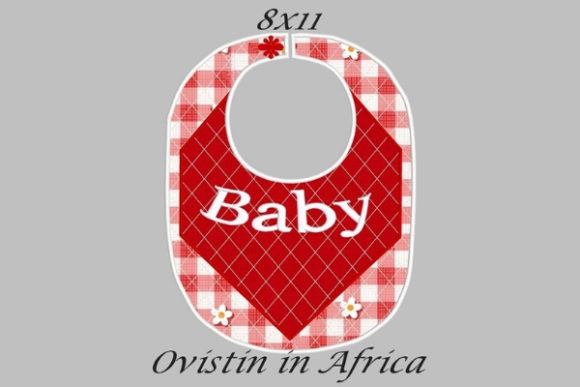
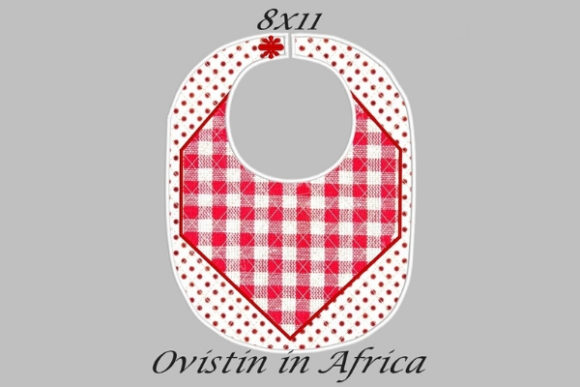
The moment you load the Red Gingham Adorable Baby Bib Large into your software, the mood is unmistakable. It screams "classic nursery" without feeling dated. The red gingham pattern evokes a sense of warmth, tradition, and homemade care, which is exactly what parents and gift-givers look for in the Nursery category. What stands out most is the layout. It is designed as a large bib, intended for babies aged 4 to 12 months, meaning the scale is generous enough to allow for detailed stitching without crowding the small hoop size required (Hoop S).
The visual personality of this design relies heavily on the interplay between the gingham fabric and the stitching. Because it utilizes a double applique technique with a batting inlay, the final look has a wonderful dimensionality. It avoids the flat, sticker-like appearance that cheaper designs often suffer from. Instead, it promises a soft, padded look that feels premium to the touch. For an Etsy seller or boutique owner, this textural depth is a major selling point that justifies a higher price point compared to standard flat embroidery.
Real-World Application: The Boutique Baby Shower Gift
To truly test the viability of this design, I imagined a specific real-life scenario: preparing a custom order for a high-end baby shower gift set. The client wanted something that felt heirloom-quality but could withstand the messy reality of feeding a six-month-old. The Red Gingham Adorable Baby Bib Large fits this brief perfectly.
In this scenario, the double applique construction is not just decorative; it is functional. The description notes a batting inlay to keep the baby dry and a towel backing for a professional finish. When stitching this for a client, I would select a high-quality cotton gingham for the top layer and a soft, absorbent terry cloth for the backing. The result is a bib that looks like a fashion accessory but performs like heavy-duty gear. The red color pops beautifully against neutral baby clothes, making it an ideal centerpiece for a personalized gift basket. Customers reacting to this item in a small shop product display would likely be drawn to the tactile nature of the batting and the neatness of the turned edges.
Performance in Commercial and Custom Projects
Beyond baby bibs, the versatility of this embroidery project extends to various commercial embroidery applications. While the primary intent is clearly baby embroidery, the aesthetic of red gingham is timeless. With some creative adaptation, elements of this design could inspire patches for aprons, accents on kitchen towels, or even details on a rustic-themed tote bag. However, staying true to its intended use yields the best results.
For custom apparel decorators, the challenge with bibs is often the curvature and the small working area. This design accounts for that by fitting into a small hoop, making it accessible even for those with single-needle machines or limited hoop collections. The stitch types employed—likely a mix of running stitch for tack downs, satin stitch for borders, and potentially fill stitch for any textual elements—are standard enough to run smoothly on most machines, provided the tension is dialed in correctly.
Critical Considerations for Stitching Success
While the Red Gingham Adorable Baby Bib Large is a strong contender for any portfolio, there are areas where a designer must exercise caution. The mention of "Hoop S" indicates a compact workspace. When working with textured fabrics like the suggested towel backing or thick batting, registration can become tricky. You must ensure your stabilizer choice is robust enough to prevent shifting, especially since babies will pull and tug at their bibs.
Furthermore, the density of the stitches in the applique layers needs careful monitoring. If the stitch density is too high on the batting inlay, the bib may become stiff and uncomfortable against a baby's chin. I recommend running a test stitch-out on scrap fabric that mimics your final materials. Check how the gingham fabric frays under the satin border; a tight satin column is essential to encapsulate the raw edges effectively.
Color contrast is another vital factor. Red gingham is bold, but if you are using dark thread for the outlining, ensure it doesn't get lost against the darker squares of the check pattern. Conversely, light thread on dark checks can create a lovely vintage effect. Always review your design in a black-and-white mockup before cutting fabric to verify that the shapes remain distinct regardless of color choices.
Enhancing Brand Value and Customer Trust
Using a well-constructed design like this directly impacts your brand consistency and customer trust. When a buyer receives a handmade product that features clean edges, secure applique, and thoughtful material choices like towel backing, they perceive immediate value. It signals that the maker cares about durability and comfort, not just aesthetics. This level of professionalism encourages repeat business and positive reviews, which are the lifeblood of any craft business.
For those creating printable mockups or digital previews for their online stores, this design offers excellent visual appeal. The texture of the gingham and the shadow created by the batting translate well in photos, helping to drive engagement on social media and marketplaces. It is a design asset that works hard for your marketing efforts.
Final Verdict and Designer Notes
The Red Gingham Adorable Baby Bib Large is a standout choice for anyone looking to add a touch of classic charm to their Embroidery repertoire. It balances style with substance, offering a design that is as practical as it is adorable. Before committing to a full production run or a client order, adhere to these practical steps:
- Test First: Always stitch a sample on scrap fabric similar to your final gingham and towel backing to check for puckering.
- Check Licensing: Confirm the license terms of the embroidery file to ensure you are cleared for commercial sales if you plan to sell the finished bibs.
- Stabilizer Selection: Use a cut-away stabilizer for stretchy or heavy fabrics to ensure long-term durability through multiple wash cycles.
- Thread Quality: Invest in high-sheen polyester or rayon threads to make the satin borders pop against the matte gingham.
- Inspect Details: Zoom in on the digital file to check for tiny lettering or intricate corners that might require manual trimming or adjustment.
In conclusion, this design is a reliable tool for creating memorable holiday embroidery gifts, everyday essentials, or boutique merchandise. It respects the constraints of small hoops while delivering a large impact visually. For the discerning designer, it represents a safe yet stylish bet that bridges the gap between hobbyist crafting and professional product creation.