Classics for Kids Redwork: A Boutique Sweatshirt Review
As an embroidery designer who has spent years digitizing and stitching for small boutiques, I approach every new machine embroidery design with a critical eye. It is not just about whether the file runs; it is about how that design translates into a tangible product that a customer wants to wear. Recently, I evaluated Classics for Kids Redwork for an upcoming limited drop of premium sweatshirts. This review breaks down how this specific asset performs in a real-world commercial setting, moving beyond the digital preview to the finished garment.
First Impressions and Design Mood
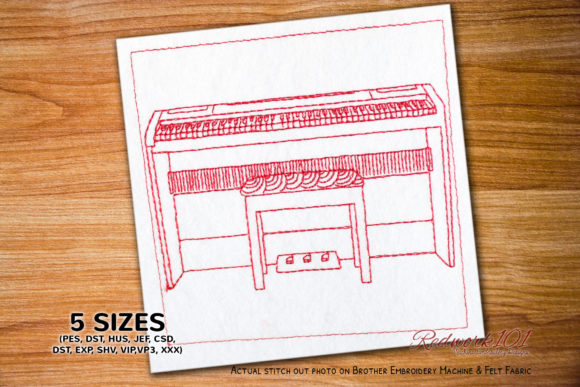
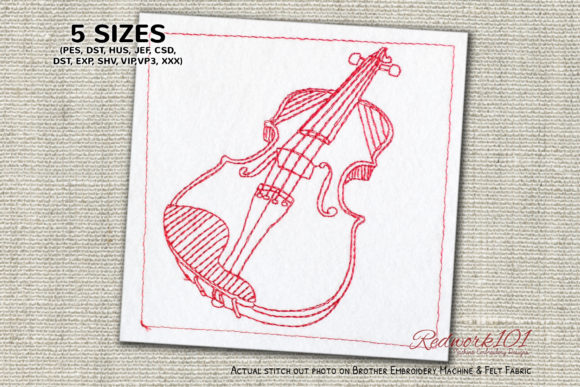
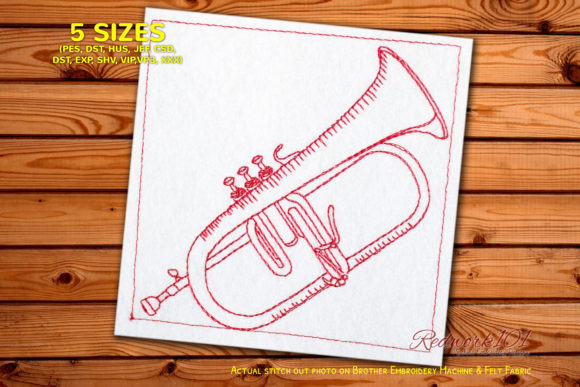
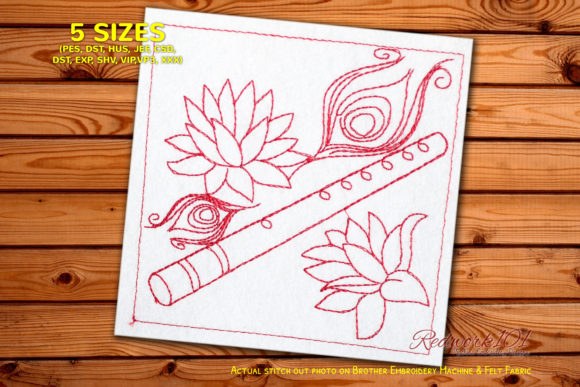
When I first loaded the digital embroidery file for Classics for Kids Redwork, the immediate takeaway was its versatility. The title suggests a nostalgic, perhaps musical or storybook theme, which aligns perfectly with current trends in children's and family apparel. The "Redwork" style implies a single-color run, which is a fantastic choice for achieving a vintage, hand-drawn aesthetic without the bulk of heavy fill stitches.
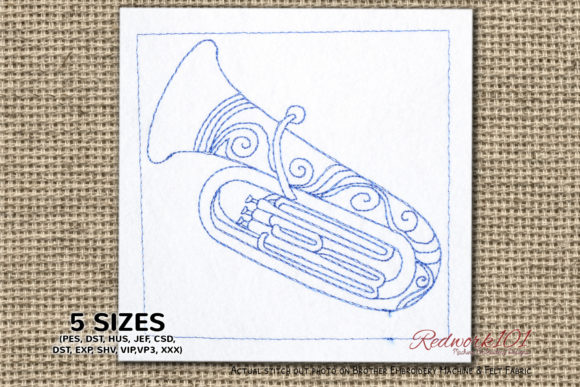
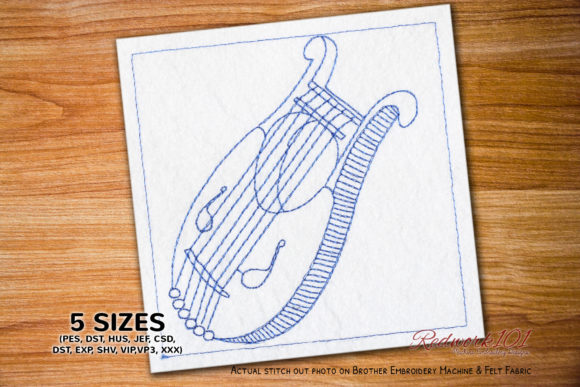
The description notes that the box stitch shown in promotional images is optional. This is a crucial detail for a professional. It means the core artwork stands on its own, allowing us to customize the presentation. For a boutique brand, this flexibility is gold. We can choose to include the border for a framed, badge-like look on a chest pocket, or skip it entirely for a floating motif that feels more organic and modern. The mood is undeniably playful yet refined, striking a balance between cute and classic that appeals to parents looking for high-quality handmade products.
Fabric Compatibility and Texture
The true test of any embroidery file is how it interacts with different fabric textures. For this project, I tested the design on a range of sweatshirt materials. On neutral, heather-grey French terry, the redwork lines popped beautifully, offering a crisp contrast that felt sophisticated. The single-color approach prevents the design from getting lost in the loop of the fabric, a common issue with multi-color designs on textured knits.
When moved to dark fabrics, such as navy or charcoal hoodies, the design required a shift in thread colors. While the original concept is "Redwork," commercial viability demands adaptation. Switching to a cream or gold thread on dark backgrounds transformed the piece into something luxurious and eye-catching. Conversely, on pastel-colored oversized hoodies, sticking to a deep burgundy or forest green maintained readability while keeping the soft, cozy vibe intact. The lack of dense fill stitches means the fabric texture remains breathable and soft against the skin, a major selling point for kids' apparel.
Placement Strategies for Maximum Impact
Strategic placement is where a good design becomes a great product. For sweatshirt embroidery, I found three distinct applications for Classics for Kids Redwork:
- Chest Placement: Centered on the left chest, the design acts as a subtle brand marker. Skipping the optional outer box here creates a minimalist look that feels high-end and understated.
- Sleeve Accents: Running the design vertically up the sleeve adds a dynamic element to otherwise plain garments. This works exceptionally well for lifestyle product photography, giving the small shop product a unique signature.
- Back Designs: Scaled up for the back of an oversized hoodie, the intricate line work of the redwork style holds up surprisingly well. It becomes a statement piece without overwhelming the wearer.
For Etsy sellers and creative entrepreneurs, these variations allow you to create multiple SKUs from a single purchase, maximizing the value of your design assets.
Technical Considerations for Production
From a technical standpoint, there are several factors to consider before committing to a production run. Since the exact stitch density and hoop size are not explicitly detailed in the brief description, it is vital to check the specific file properties upon download. Redwork designs generally have lower density, which is excellent for stretchy fabrics, but you must ensure the underlay is sufficient to prevent puckering.
Stabilizer choice is paramount here. For heavy sweatshirts, a cut-away stabilizer is usually my go-to for durability, ensuring the design survives repeated washing without distorting. However, because this is a line-based design, a high-quality tear-away might suffice if the fabric is stable enough, reducing stiffness in the final finished product. Always test a sample first.
Another concern is small-size readability. If you plan to scale this down for smaller items like bibs or beanies, verify that the finest details do not collapse. The "Music" category hint suggests there may be intricate notes or instruments; these need to be large enough to stitch out cleanly. If the design feels too delicate at a small scale, consider increasing the size or simplifying the thread path if you have editing software.
Commercial Viability and Brand Identity
Does Classics for Kids Redwork feel strong enough for commercial embroidery? Absolutely. Its clean lines and timeless subject matter give it a longevity that trendy, complex fills often lack. In the world of custom apparel, customers are increasingly drawn to designs that look intentional and artistic rather than mass-produced. This design delivers that handmade charm while maintaining the consistency required for a boutique drop.
Using this design can significantly affect product value. A well-executed redwork motif signals attention to detail. It tells the buyer that the garment was crafted with care, fostering buyer trust and enhancing brand identity. When used in printable mockups for online listings, the clarity of the lines translates well digitally, helping to drive customer engagement before the item even ships.
Final Verdict for Designers
In conclusion, Classics for Kids Redwork is a robust addition to any embroidery library focused on family and lifestyle apparel. Its adaptability across different thread colors and fabric types makes it a workhorse for seasonal collections. Whether you are creating cozy winter wear or light spring layers, the design offers a charming narrative element that resonates with buyers.
Remember to verify the specific technical specs like hoop requirements and stitch counts once you access the file, as these will dictate your production workflow. But aesthetically and commercially, this design hits the mark. It bridges the gap between whimsical creativity and professional execution, making it an ideal choice for Etsy sellers and boutique owners looking to elevate their hoodie design offerings. By leveraging the optional border feature and experimenting with placement, you can create a diverse range of products that feel both fresh and timeless.