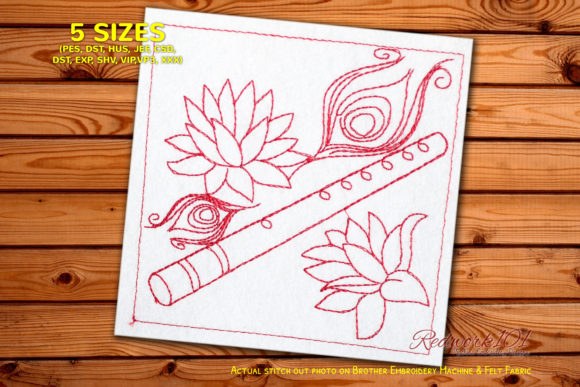
Flute Embroidery Design Review for Craft Fair Success
As an embroidery designer who has spent countless weekends behind a booth table, I know that the difference between a design that gathers dust and one that flies off the shelf often comes down to immediate visual impact. When I pulled up the Flute machine embroidery design to evaluate it for my upcoming craft fair lineup, I was looking for more than just a pretty picture of a woodwind instrument. I needed a design that would translate well across various handmade products, from tote bags to kitchen linens, while maintaining clarity and appeal for the casual browser.
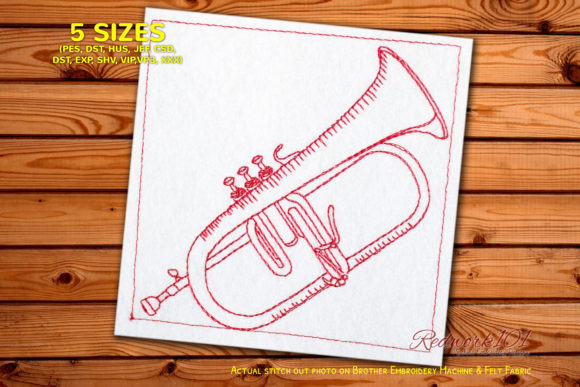
The first impression of the Flute design is one of elegant simplicity. In the world of Music-themed embroidery, there is often a temptation to over-complicate designs with excessive shading or tiny musical notes that get lost in the stitching. However, this design feels modern and minimal. It captures the essence of the instrument without unnecessary clutter. The description notes that the Box Stitch shown in promotional images is optional, which is a fantastic feature for a professional embroiderer. It means I can adapt the footprint of the design depending on the product I am making. For a small pouch, I might skip the box to keep the focus tight on the flute itself, whereas for a large market bag, the box could provide a nice framed aesthetic that looks premium and finished.
Visual Appeal and Product Versatility
When planning my booth display, variety is key. The Flute embroidery file shines because of its versatility. I immediately pictured this design centered on a natural linen tote bag design. The clean lines of the flute would stand out beautifully against the texture of the canvas, appealing to music teachers, band students, and orchestra parents who are always looking for unique gifts. Because the outer box color can be changed or omitted, I have the freedom to match thread colors to specific school bands or personal preferences, adding a layer of customization that boosts perceived value.
Beyond bags, this design is a strong contender for apron embroidery and tea towel embroidery. Kitchen textiles are staple craft fair products, and a music motif adds a whimsical touch to a functional item. The linear nature of the flute works well on the long, narrow surface of an apron bib or the hem of a tea towel. I also see potential for creating embroidered patch runs. If the stitch density is managed correctly, these could be ironed onto denim jackets or guitar cases, creating a high-margin small shop product that appeals to younger demographics.
For those running an online store alongside their physical booth, this design photographs exceptionally well. The distinct shape makes for a clear printable mockup for Etsy listings. As an Etsy seller, you know that customers need to instantly recognize what they are buying from a thumbnail image. The Flute design offers that instant recognition, making it a powerful asset for your digital storefront as well as your physical table.
Production Practicality and Stitch Quality
From a production standpoint, the practicality of a design determines whether it is a hobby project or a viable commercial embroidery product. The Flute appears to be designed with efficiency in mind. However, there are critical factors to consider before running a batch of fifty items. Since the description mentions that the color of the outer box varies, attention to thread colors is paramount. You must ensure high contrast between the flute and the background fabric, especially if you are working with dark fabrics where the instrument details might vanish.
One area requiring careful testing is the stitch density. Woodwind instruments often feature keys and intricate mechanisms. If these details are too small or the stitches are too dense, they can cause puckering, particularly on lighter fabrics like tea towels or thin cotton pouches. Before committing to your final inventory, it is essential to test the design on scrap fabric that matches your intended material. Check how the design behaves on textured towels versus smooth twill. A design that looks perfect on a screen can behave differently on actual fabric texture.
Furthermore, consider the hoop size requirements. While the design seems adaptable, confirming the maximum dimensions is necessary if you plan to embroider curved surfaces like caps. Caps are tricky; a design that is too wide or has too many horizontal jumps may not digitize well on a curved brim. If the Flute design includes fine lettering or extremely small details, verify that these elements remain clear at smaller sizes. Often, simplifying a design by removing the optional box or reducing internal detailing yields a cleaner finished product that lasts longer through washes and wear.
Maximizing Sales at the Booth
To truly make the Flute design sell, you must present it in a context that tells a story. Do not just hang a plain sample; create a scene. Display the embroidered tote next to a metronome or sheet music. Show the design on a pillow cover in a cozy reading nook setup within your booth. This helps customers visualize the handmade product in their own homes. The emotional connection to music is strong; leverage that by positioning these items as perfect gifts for recitals, holidays, or teacher appreciation.
Consistency in your branding is also vital. If you offer the Flute design on multiple items, ensure the thread colors and placement are consistent to build a cohesive brand look. This professionalism signals to buyers that they are purchasing high-quality design assets turned into tangible goods, rather than a hastily made craft. Engage buyers by explaining the customization options available, such as changing the box color or adding a name nearby if your machine allows for combined text and graphic embroidery.
Final Designer Notes for Success
Before launching this design into your product line, adhere to a strict quality control checklist. First, always create at least one real mockup rather than relying solely on digital previews. Compare how the design looks on light versus dark fabrics to ensure versatility. Second, review your stabilizer choice; a cut-away stabilizer might be necessary for stretchy fabrics to prevent distortion of the flute's straight lines. Finally, and most importantly, confirm the commercial licensing terms associated with this digital embroidery file. The description provided does not explicitly state license limits, so you must verify with the creator that you are cleared to sell finished goods made with this design.
The Flute design holds significant promise for the thoughtful embroiderer. It balances artistic representation of the Music category with the practical needs of a busy craft fair vendor. By paying attention to stitch quality, fabric selection, and presentation, this design can become a standout performer in your inventory, driving sales and delighting customers who appreciate the harmony of art and utility.