Stentor Redwork: A Designer's Review for Business Merch
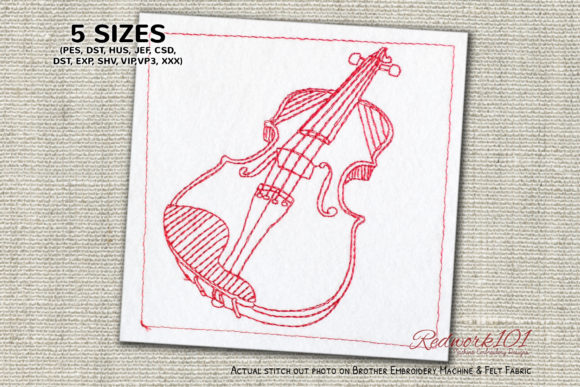
As an embroidery designer who has spent years digitizing and testing files for small business clients, I approach every new machine embroidery design with a critical eye. It is not just about whether the image looks pretty on a screen; it is about how that image translates into thread on real-world products. Today, I am reviewing Stentor Redwork, a design rooted in the classic aesthetic of the violin family. For boutique owners, music studios, and creative brands looking to elevate their small business merch, this piece offers a unique blend of vintage charm and professional utility.
First Impressions: Classic Elegance Meets Modern Utility
The moment you load the digital embroidery file for Stentor Redwork, the vibe is immediately clear. This is not a loud, flashy graphic designed to scream for attention. Instead, it exudes a sense of classic elegance and handmade warmth. The redwork style, traditionally known for using a single color of thread on a neutral background, gives the instrument a timeless, rustic feel. It feels premium yet accessible, making it an excellent candidate for brands that want to project authenticity.
For a music shop, a private tutor, or even a café with a live jazz night, this design speaks the language of tradition. However, its appeal extends beyond the music industry. Any brand aiming for a "heritage" or "artisanal" look can leverage this imagery effectively. The simplicity of the line work suggests confidence; it does not need heavy filling to make its point. This minimalism is crucial when considering how the design will sit on various fabric texture types, from coarse canvas to fine twill.
Real-World Application for Small Business Branding
When evaluating Stentor Redwork for commercial use, the versatility is its strongest asset. Here is how I envision this design performing across different product lines:
- Embroidered Patches: This is arguably the best use case. The clean lines of the violin family instrument translate beautifully into a woven or embroidered patch. A local luthier could use this as a chest logo on work jackets, or a music festival could sell it as a collectible item.
- Staff Uniforms and Aprons: For a music school or a themed bakery, apron embroidery requires designs that are durable and legible. Stentor Redwork's open structure prevents the fabric from puckering, which is essential for items that see daily wear and frequent washing.
- Cap Embroidery: Placing this on the front of a dad hat or a structured cap works well, provided the size is adjusted correctly. The curved surface of a cap can distort wide designs, but the vertical orientation of the instrument helps maintain visual integrity.
- Tote Bag Design: Canvas totes are a staple for custom apparel and retail give-aways. The rustic nature of redwork complements the natural look of unbleached cotton perfectly, creating a cohesive brand identity that feels eco-friendly and thoughtful.
In terms of commercial embroidery projects, this design serves as an excellent accent. It is not necessarily meant to dominate a garment but rather to act as a subtle mark of quality. Think of it as a sleeve detail on a denim shirt or a small emblem on a product packaging tag. These small touches significantly increase the perceived value of the finished product.
Technical Considerations and Production Challenges
While the aesthetic is strong, a professional designer must address the technical realities before sending this to the machine. The description notes that the "Box Stitch shown in the picture is optional." This is a critical detail. If you are producing these for a client, you must clarify whether the border is included. A box can provide a nice frame for a patch, ensuring the edges are clean, but it adds stitch density that might be unnecessary for a direct-to-garment application.
Furthermore, the note regarding the outer box color being different in most designs implies variability in the source files. You must inspect the specific embroidery file you purchase to ensure the color separation matches your thread chart. Redwork traditionally uses one color, but if the digitizer has added shading or outlines, you need to verify that the thread colors contrast sufficiently against your chosen garment color. Dark uniforms, for instance, might require a backing layer or a change in thread hue to ensure the instrument remains visible.
There are specific scenarios where caution is advised:
- Small Patch Sizes: If scaling this down for a tiny label, the fine details of the strings and the scroll of the instrument may merge. Always test a physical sample at the intended size.
- Curved Surfaces: As mentioned with caps, ensure the hoop placement accounts for the curve to prevent registration errors.
- High Stitch Density Areas: If the digitization includes dense fill areas in the body of the instrument, check for potential stiffness. For wearable merchandise, softness is key to customer satisfaction.
Impact on Brand Identity and Customer Trust
Using a design like Stentor Redwork does more than decorate a shirt; it communicates values. In a market saturated with generic, mass-produced graphics, a well-executed embroidery design signals effort and quality. It tells the customer that the business cares about the details. For an Etsy seller or a handmade brand, this alignment with the handmade product ethos is invaluable.
Consistency is vital for brand identity. If Stentor Redwork fits your visual language, using it across your design assets—from your website's printable mockup images to the actual tags on your clothing—creates a unified experience. This visual consistency builds recognition. When a customer sees that distinct violin silhouette on a tote bag, then again on an instructor's polo, it reinforces trust in your professionalism.
Practical Notes for the Embroidery Professional
Before committing to a large production run, I always recommend a rigorous testing phase. Here is my checklist for integrating Stentor Redwork into your workflow:
- Test in Black and White: Even though it is a "redwork" style, stitch it out in black thread on white fabric first. This reveals any gaps in coverage or issues with spacing that color might hide.
- Verify Hoop Size: The product description does not specify exact dimensions. Confirm the required hoop size against your machine's capabilities, especially if you plan to embroider on restricted areas like pocket flaps.
- Stabilizer Selection: Choose a stabilizer that matches your fabric. For stretchy knits, a cut-away is likely necessary to prevent distortion over time, whereas tear-away might suffice for sturdy woven tote bags.
- Client Mockups: Create a realistic printable mockup for client approval. Show them how the optional box stitch changes the look so they can make an informed decision.
- Licensing Check: Most importantly, confirm the commercial licensing terms. Ensure you have the right to use this digital embroidery file for goods you intend to sell, not just for personal use.
In conclusion, Stentor Redwork is a versatile and evocative design that holds significant potential for small business merchandise. Its strength lies in its ability to convey a story of craftsmanship and tradition without overwhelming the garment. By paying attention to the technical details of stitch density, fabric choice, and sizing, embroidery professionals can turn this simple instrument outline into a powerful tool for brand building. Whether it ends up on a musician's gig bag or a barista's apron, this design proves that in the world of Music and Embroidery, sometimes the simplest strokes make the deepest impression.