Review: Pink Adorable Baby Bib Small for Craft Fairs
As I stand in my studio surrounded by stacks of tote bags, aprons, tea towels, and pillow covers, I am mentally arranging my booth for the upcoming weekend craft fair. The key to a successful display is not just volume, but variety and visual cohesion. Today, I am taking a close look at the Pink Adorable Baby Bib Small to determine where it fits best in my lineup of handmade products. This isn't just about digitizing a file; it is about understanding how a specific design translates into a tangible product that stops a customer in their tracks.
First Impressions and Market Appeal
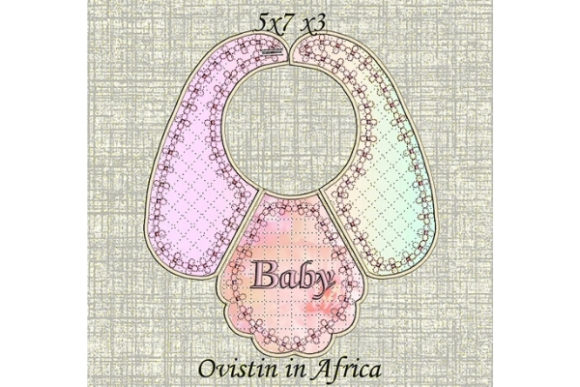
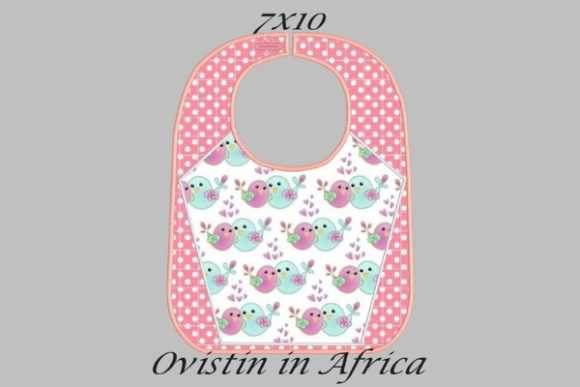
The first thing that strikes me about the Pink Adorable Baby Bib Small is its inherent softness and charm. Based on the title and description, this piece screams "nursery" in the most inviting way possible. It feels undeniably cute, leaning towards a sweet, traditional aesthetic rather than modern minimalism or rustic farmhouse. The use of pink immediately signals that this is a gift-ready item, likely targeting grandparents, aunts, and new parents looking for something special.
For an Etsy seller or boutique maker, the visual appeal here is high. The description notes a "double applique" technique with a "batting inlay." This tells me that in person, the design will have significant texture and dimension. Unlike a flat satin stitch, this approach creates a plush, premium feel that justifies a higher price point. When placed next to simpler embroidered patches or single-layer designs on my display table, the Pink Adorable Baby Bib Small will stand out due to its tactile quality. It invites customers to reach out and touch it, which is the first step in closing a sale at a physical market.
Versatility Across Product Lines
While the primary intent of this machine embroidery design is clearly for baby apparel, as a creative entrepreneur, I always ask: "Where else can this go?" The description specifies it fits a newborn to a 6-month-old baby, which limits its direct application to infant wear. However, the aesthetic elements can be adapted.
- Tote Bag Design: If scaled up appropriately, the motifs within the bib design could serve as a central focal point on a canvas tote. The double applique style would look stunning on a natural cotton bag, adding a pop of color and texture.
- Apron Embroidery: For a matching "mommy and me" set, placing a simplified version of this design on a child's apron or even the pocket of an adult baking apron creates a cohesive handmade product line.
- Tea Towel Embroidery: The softness of the design translates well to kitchen linens. A tea towel embroidery featuring these elements would make an excellent housewarming gift, moving the product from the nursery category into general home decor.
- Fabric Pouches and Pillow Covers: The small scale of the original design makes it perfect for zippered pouches or the corner of a decorative pillow cover. These are high-margin small shop products that sell quickly at fairs.
However, one must be careful. The description mentions a "towel backing," which is specific to the function of a bib. When adapting this for other items like caps or thick jackets, that specific construction detail may not apply, and the designer must ensure the stitch density works on those different fabric weights.
Production Practicality for Batch Making
Preparing for a craft fair requires efficiency. Can I produce twenty of these in a day? The Pink Adorable Baby Bib Small involves double applique, which inherently means more steps: placing the fabric, stitching the tack-down, trimming, placing the second layer, and finishing the edges. This is more time-consuming than a standard fill stitch.
For batch production, this design demands organization. I would need to pre-cut all my applique fabrics before starting the machine. The "batting inlay" adds another layer of prep work. While this increases production time, it also increases the perceived value. Customers at a handmade market can spot a rushed job versus a thoughtful one. The extra effort here results in a finished product that looks professionally manufactured rather than hastily stitched.
Photography is another crucial factor. For online listings, the texture provided by the batting and double layers will catch the light beautifully, creating depth in photos. A flat design often looks lifeless in a printable mockup or digital photo, but this design's dimensionality will translate well to social media posts and Etsy thumbnails, driving clicks and engagement.
Critical Designer Notes and Cautions
Before committing to a full production run, there are several technical aspects to verify. The product description cuts off slightly at "Hoo," likely referring to "Hoop size." This is a critical missing piece of information. As a professional, I cannot assume the hoop size required. I must check the digital embroidery file details to ensure it fits my machine's capabilities, especially if I plan to hoop multiple items at once for efficiency.
Furthermore, working with double applique on small items presents challenges:
- Fabric Texture: The description mentions a towel backing. When stitching on textured terry cloth, registration can be tricky. I must test the design on scrap fabric first to ensure the needle doesn't sink too deep or skip stitches on the loops of the towel.
- Thread Colors: With pink being the dominant theme, choosing the right shade is vital. A neon pink might look cheap, while a dusty rose feels premium. I need to review the suggested thread colors against my physical inventory to ensure brand consistency.
- Stabilizer Selection: Given the weight of the batting and the stretch of knit fabrics often used for bibs, using the correct stabilizer is non-negotiable. A cut-away stabilizer is likely necessary to prevent distortion after washing, whereas a tear-away might leave the edges unstable over time.
- Small Details: If the design includes tiny lettering or intricate curves, these can get lost in the bulk of the applique layers. I need to inspect the stitch path to ensure clarity is maintained at the small size intended for a newborn.
Maximizing Sales Potential
In the context of a busy craft fair booth, the Pink Adorable Baby Bib Small serves as an excellent impulse buy. It is small enough to be an add-on item when a customer purchases a larger blanket or outfit. Its placement on the display table should be strategic—perhaps grouped with other nursery items to create a "gift bundle" visual.
The commercial potential is strong, provided the licensing allows for commercial embroidery. Many digital sellers restrict the number of physical items you can sell. I must confirm the license terms included with the design assets before listing these for sale. Assuming the license permits, this design offers a fantastic opportunity to build a reputation for high-quality, detailed work.
Ultimately, the success of this product lies in the execution. The concept is solid: a soft, textured, adorable item for a vulnerable and cherished demographic. By paying attention to the technical details of applique, ensuring the stitch density is appropriate for the fabric, and presenting it alongside complementary goods like tote bags and pillows, this design can become a staple in my inventory. It bridges the gap between a simple utility item and a keepsake, which is exactly what the handmade market craves.
As I finalize my booth setup, the Pink Adorable Baby Bib Small earns its spot on the front table. It represents the care and precision that define my brand, promising customers a piece of art they can hold, use, and treasure.