Tomb Embroidery Design Review for Branded Merch
As an embroidery designer who has spent years digitizing and reviewing files for small business clients, I approach every new machine embroidery design with a critical eye. It is not just about whether the artwork looks pretty on a screen; it is about how that digital embroidery file translates into a tangible asset for a brand. Today, I am reviewing Tomb, a design categorized under Remembrance. While the title suggests a somber or historical theme, the potential application for this piece extends far beyond memorialization, offering unique opportunities for boutique branding, artisanal labels, and custom apparel.
First Impressions and Visual Personality
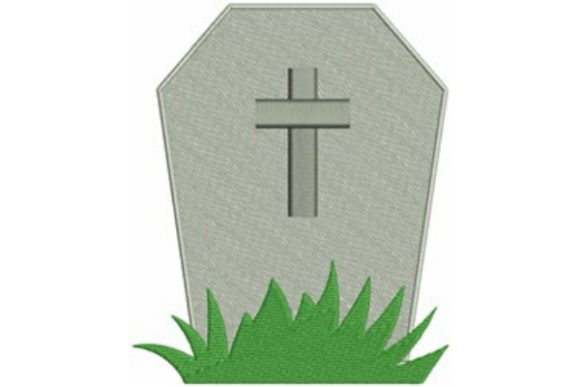
Upon loading the preview of Tomb, the immediate impression is one of solidity and permanence. The description promises a "high-quality embroidery ready for your next sewing project," and visually, the design carries a weight that feels both classic and slightly rustic. For a small business owner, especially those in the handmade product sector like florists, bakeries, or heritage craft studios, this aesthetic is invaluable. It does not scream "modern tech startup"; rather, it whispers "established tradition."
The design feels decorative yet structured. In the context of brand identity, this is crucial. If you are running a local café or a pet brand that wants to convey trust and longevity, a design with this kind of visual gravity can anchor your logo suite. It avoids being overly playful, leaning instead toward a premium, elegant feel that works exceptionally well when you need to elevate the perceived value of a finished product.
Real-World Business Applications
The true test of any embroidery file is its versatility across different mediums. Here is how Tomb performs in specific commercial scenarios:
- Embroidered Patches: This is arguably the strongest use case. A patch featuring this design would serve as an excellent "heritage mark" for a leather goods maker or a specialty coffee roaster. Applied to a canvas tote or a denim jacket, it acts as a badge of quality.
- Staff Uniforms and Aprons: For a boutique or a high-end bakery, staff presentation is everything. Using Tomb as a chest logo accent on a dark linen apron embroidery project adds a touch of sophistication. It distinguishes the staff from generic big-box store employees, reinforcing a sense of craftsmanship.
- Cap Embroidery: Placing this design on the front of a structured cap can work well, provided the scale is adjusted. It serves as a subtle identifier for team members at events or markets, creating a unified look without being overpowering.
- Tote Bag Design: Canvas totes are a staple for small business merch. The structural nature of the design complements the weave of canvas fabric, ensuring the branding remains legible and durable through frequent use.
- Customer Gifts and Event Merch: For Etsy sellers or craft businesses, including a small item with this emblem as a "thank you" gift can enhance buyer engagement. It turns a simple transaction into a memorable brand experience.
Critical Considerations for Production
While Tomb shows great promise, professional diligence is required before committing to a large production run. There are specific areas where this design demands careful attention to ensure the commercial embroidery output meets high standards.
First, consider the stitch density. Designs with a "tomb" or monumental theme often rely on solid fill areas to convey weight. If the density is too high, it can cause puckering, especially on lighter fabrics or curved surfaces like cap fronts. Always request a test stitch-out on the actual fabric you intend to use. If you are working with textured fabric, such as a heavy wool blend or a rough canvas, ensure the design elements do not get lost in the weave.
Secondly, evaluate the scale. If you plan to use this as a tiny label on a garment hem or a small patch for a keychain, verify that the fine details remain distinct. Tiny lettering or intricate outlines can merge together if the design is reduced too far. It is vital to check if the design holds up in black and white first; if the contrast relies solely on color, it may fail when stitched in a single thread color on dark uniforms.
Furthermore, the choice of thread colors will make or break the final look. Given the "Remembrance" category, the default palette might lean toward muted tones. However, for a vibrant retail environment, you may need to adjust the thread chart to match your specific brand guidelines while maintaining the design's integrity. Always confirm the hoop size requirements against your machine's capabilities, particularly if you are outsourcing the stitching or using a multi-head machine with limited field space.
Impact on Brand Identity and Trust
In the crowded marketplace of handmade brands and local businesses, visual consistency is key to building customer trust. Tomb offers a way to signal professionalism. When a customer sees a cohesive set of design assets—from the website to the embroidered patch on their purchase—it reinforces the idea that the business is established and reliable.
This design helps in creating a narrative. For a florist, it might represent the enduring nature of memory; for a pet brand, it could signify loyalty. By integrating this custom apparel element into your product line, you increase the perceived value of the item. A plain tote bag is a commodity; a tote bag with a professionally executed, meaningful embroidery design is a keepsake. This shift directly influences buyer engagement and can justify a higher price point for your merchandise.
Professional Designer Notes for Implementation
To ensure the best results when utilizing Tomb for your business, follow these practical steps:
- Test in Monochrome: Before approving color threads, stitch the design in black thread on white fabric (and vice versa) to check for clarity and definition.
- Verify Small Scale Performance: Stitch a sample at the smallest intended size, such as for a patch or sleeve detail, to ensure no elements disappear.
- Review Thread Contrast: Ensure there is sufficient contrast between the design and the base fabric, especially for items like dark work shirts.
- Inspect Spacing and Density: Look for potential pull issues in wide satin columns or dense fill areas that might distort the fabric.
- Confirm Hoop Size: Double-check that the design fits within your available hoop dimensions without requiring excessive re-hooping.
- Use Proper Stabilizer: Match your stabilizer to the fabric texture; cut-away stabilizer is often recommended for items that will undergo frequent washing, like aprons and uniforms.
- Create a Printable Mockup: Generate a realistic mockup for client approval or social media teasers before producing physical inventory.
- Compare Alongside Other Assets: Place the stitched sample next to your existing logo and packaging to ensure visual harmony.
- Check Commercial Licensing: Since the product description mentions it is ready for projects, always confirm the specific license terms regarding resale and commercial use before incorporating it into products for sale.
Finally, note that the provided description states the design is "ready for your next sewing project" and will "look great on any fabric." However, as a professional, I must advise that you verify the specific file formats, exact stitch counts, and detailed license terms directly with the vendor, as these specifics were not included in the brief summary. Taking these precautions ensures that Tomb becomes a reliable pillar of your brand's visual identity rather than a production headache.