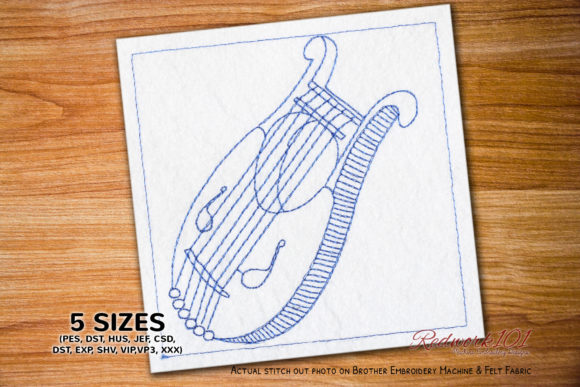
Music Clef: A Designer's Review for Craft Fair Success
As an embroidery designer preparing for a busy weekend at the local artisan market, my table strategy is everything. I need products that stop customers in their tracks, communicate quality instantly, and are practical enough to produce in batches without losing my mind. This week, I am evaluating the Music Clef machine embroidery design to see if it earns a prime spot on my display rack. Based on the product description promising high-quality results suitable for any fabric, this design feels like a versatile contender for the modern maker looking to appeal to music lovers, teachers, and students.
First Impressions and Market Appeal
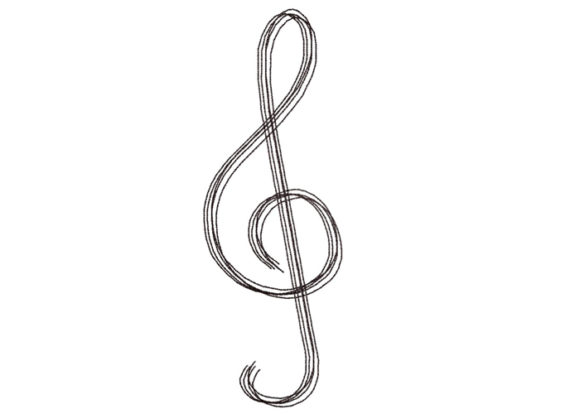
When I first pulled up the preview of the Music Clef design, the immediate impression was one of classic elegance mixed with modern simplicity. Unlike overly ornate vintage patterns or cartoonish graphics, a clef symbol carries a timeless weight. It reads as sophisticated yet accessible. For a craft fair environment, this is crucial. You want a design that looks good from ten feet away but reveals intricate detail when a customer picks up the item. The Music Clef strikes a balance that feels premium rather than novelty-based, which allows us to price our handmade products higher than typical impulse-buy items.
This design fits perfectly into the "minimalist decorative" trend that is currently dominating Etsy and boutique markets. It is not cluttered, meaning it won't get lost on textured fabrics, and its iconic shape makes it instantly recognizable. Whether you are targeting a pianist, a choir director, or simply someone who appreces the arts, this motif bridges the gap between niche interest and broad aesthetic appeal.
Strategic Product Placement for Maximum Sales
To truly test the viability of this embroidery file, I imagined stitching it onto various substrates commonly found in a handmade booth. Here is how the Music Clef performs across different product categories:
- Tote Bags and Market Totes: This is likely the strongest seller. A large-scale Music Clef centered on a canvas tote creates a bold statement piece. Music students and teachers love carrying sheet music and instruments, making this a functional tote bag design that sells itself.
- Aprons and Kitchen Textiles: For the home cook who loves humming while they chop, apron embroidery featuring a clef adds a touch of personality to the kitchen. Similarly, tea towel embroidery works well here, provided the stitch density isn't too high for thin linen.
- Embroidered Patches: Creating an embroidered patch with this design is a smart move for digital sellers and physical vendors alike. Patches are low-cost to produce and easy to ship, appealing to the younger demographic who might want to customize their own denim jackets or backpacks.
- Caps and Headwear: Placing a smaller version on the front of a dad hat or visor offers a subtle nod to the wearer's passion. However, this requires careful attention to the curved surface of the cap to prevent distortion.
- Pillow Covers and Home Decor: As a focal point on a throw pillow, the Music Clef elevates a living room space. It serves as excellent decor for music rooms, studios, or living areas where artistic flair is desired.
Production Practicality and Batch Efficiency
For small shop owners and Etsy sellers, time is money. The Music Clef appears to be a design that balances visual impact with production speed. Because the shape is distinct and likely relies on solid fills rather than excessive micro-detailing, it should stitch out relatively quickly. This makes it ideal for batch production. If you plan to have twenty tote bags ready for Saturday morning, a design that doesn't require constant thread changes or complex trimming is essential.
Photography is another critical factor. In online listings, your printable mockup needs to look crisp. The strong lines of a clef translate beautifully into digital images, ensuring your design assets look professional on social media and marketplace thumbnails. A design that photographs well often converts better than one that looks muddy on a screen.
Critical Considerations for Stitching Success
While the description claims the design works on "any fabric," experienced designers know we must exercise caution. To ensure your finished product maintains a high standard of quality, keep the following technical notes in mind:
- Stitch Density and Fabric Texture: If you are stitching on thick terry cloth towels or heavy canvas, check the stitch density. Too many stitches on a textured surface can cause puckering or make the design feel stiff and uncomfortable against the skin.
- Thread Contrast: The success of the Music Clef relies heavily on contrast. On dark fabrics, ensure you are using a light or metallic thread that pops. Conversely, on white linens, a deep navy or black thread will provide the necessary definition.
- Small Details and Scaling: If you decide to shrink this design for a small pouch or a child's garment, verify that the fine lines of the clef do not merge together. Designs often lose clarity when scaled down below a certain inch threshold.
- Curved Surfaces: When applying this to caps, the curvature can distort circular or flowing elements. Ensure your hooping technique is tight and consider using a cap frame specifically designed for your machine.
- Stabilizer Selection: Never skip the stabilizer. For stretchy fabrics like jersey tees, a cut-away stabilizer is non-negotiable to prevent the Music Clef from warping after washing.
Enhancing Brand Value and Customer Engagement
Incorporating the Music Clef into your product line does more than just add inventory; it strengthens your brand identity. It signals to customers that you curate designs with intention and artistic merit. A booth filled with cohesive, high-quality handmade products invites browsers to linger longer. When a customer sees a beautifully executed clef on a tote bag, they immediately associate that level of craftsmanship with your entire brand.
Furthermore, this design opens doors for customization. You can offer to add a name or initial alongside the clef, turning a standard craft fair product into a personalized gift. Personalization is a massive driver of sales at live events, as shoppers are often looking for unique items they cannot find at big-box stores.
Final Designer Notes and Licensing
Before you commit to producing a full run of commercial embroidery items, always test the design on scrap fabric first. Check the thread tension, inspect the back of the hoop for excessive jumping stitches, and wash the sample to ensure durability. Confirm the hoop size required matches your machine's capabilities, as the product description did not specify exact dimensions or stitch counts.
Most importantly, review the licensing terms associated with this digital embroidery file. Ensure you have the right to sell finished goods made with this design, especially if you plan to scale your operations. By treating the Music Clef with the respect of a professional asset—testing, tweaking, and presenting it beautifully—you transform a simple pattern into a best-selling staple for your creative business.